A winter coat is a bigger purchase than most clothes, so it helps to know what you are paying for. The main questions are how cold your winters are, how much you walk outside and how you layer.
Insulation types
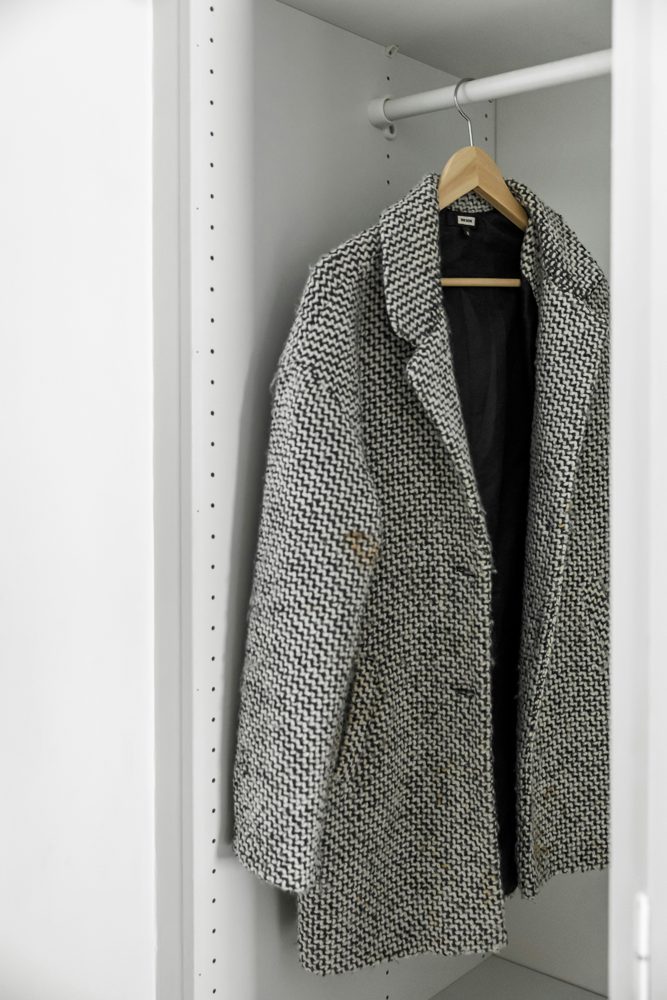
Down is light and warm but can be pricey. Synthetic fill is cheaper and keeps working when damp. Wool coats look smart and are warm, but are heavier. Read the product description for the fill type.
Length and coverage
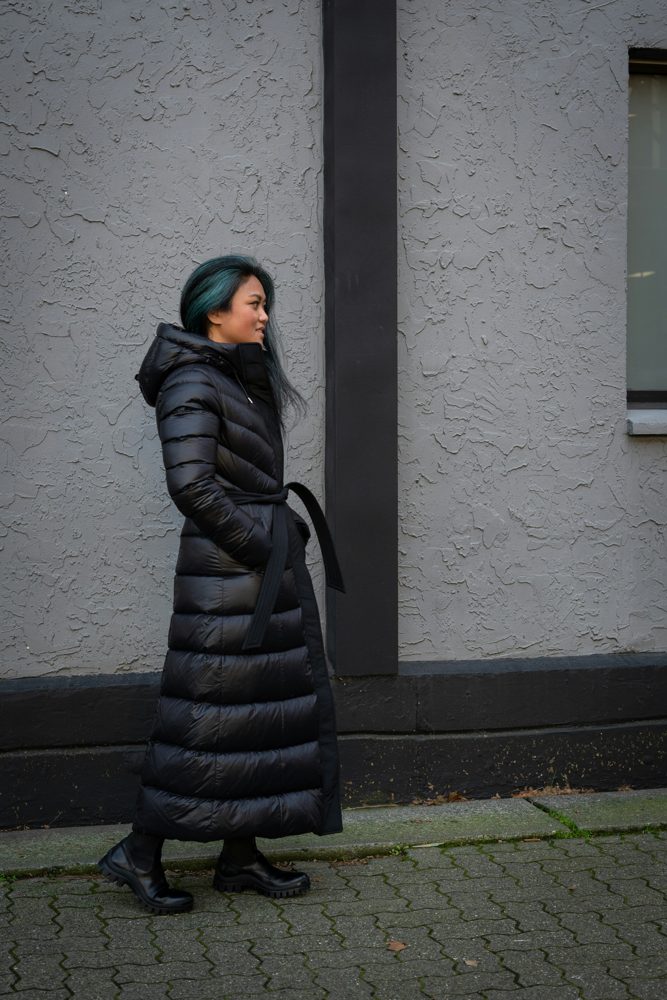
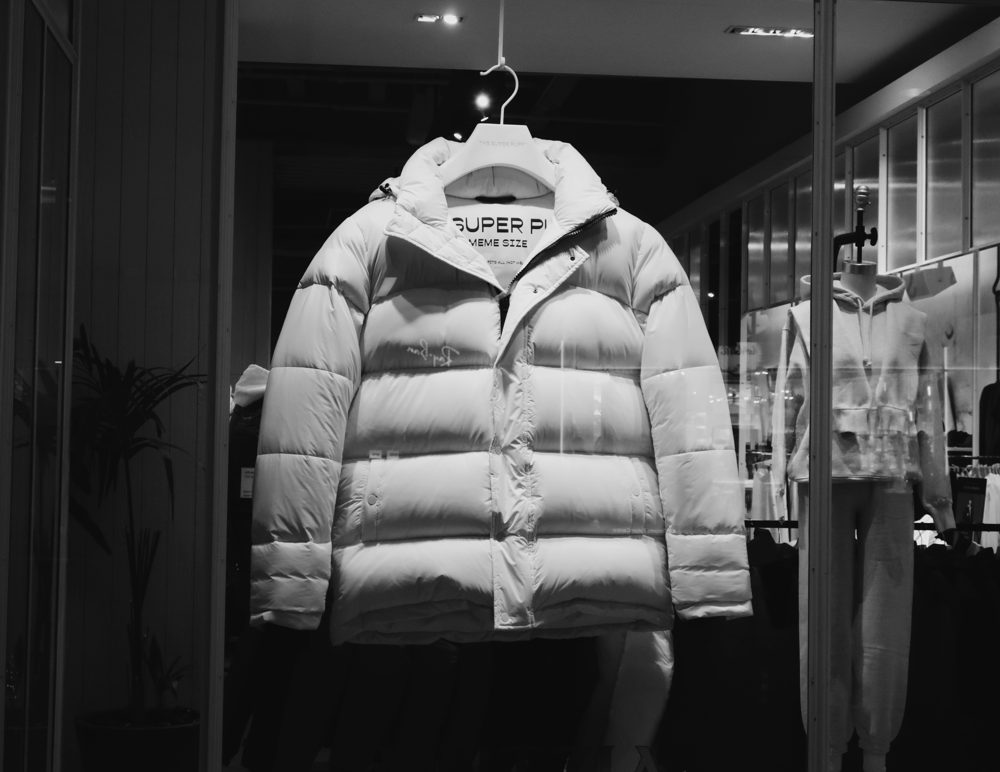
Longer coats protect more of your legs and suit cold climates. Shorter puffer jackets are easier to move in. A hood adds protection from wind and rain.
What to compare
- The insulation type and any stated warmth rating.
- Whether the shell is water-resistant, not just described as waterproof.
- Pockets, zips and storm flaps.
- Room to layer a sweater underneath.
- Customer comments on warmth in real conditions.
Sizing tip
Try the coat with the thickest layer you plan to wear under it. If it is tight over a sweater, consider the next size.