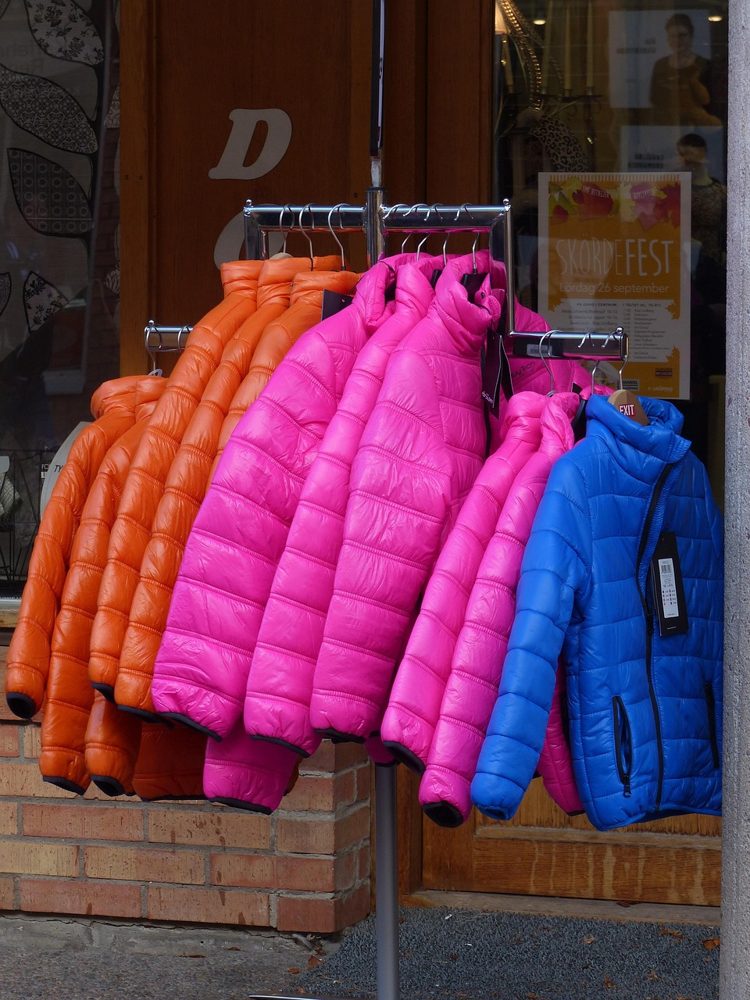
A puffer jacket is one of the easiest ways to stay warm without bulky layers. The label can be confusing, though, with fill types, weights and lengths. Here is a plain guide to what matters.
Down or synthetic fill?
- Down is very warm for its weight and compresses small, but it can lose warmth if it gets wet and usually needs more careful washing.
- Synthetic fill keeps more warmth when damp, dries faster and is often cheaper.
- Check the product details for the fill type and any details about warmth ratings.
Think about your climate
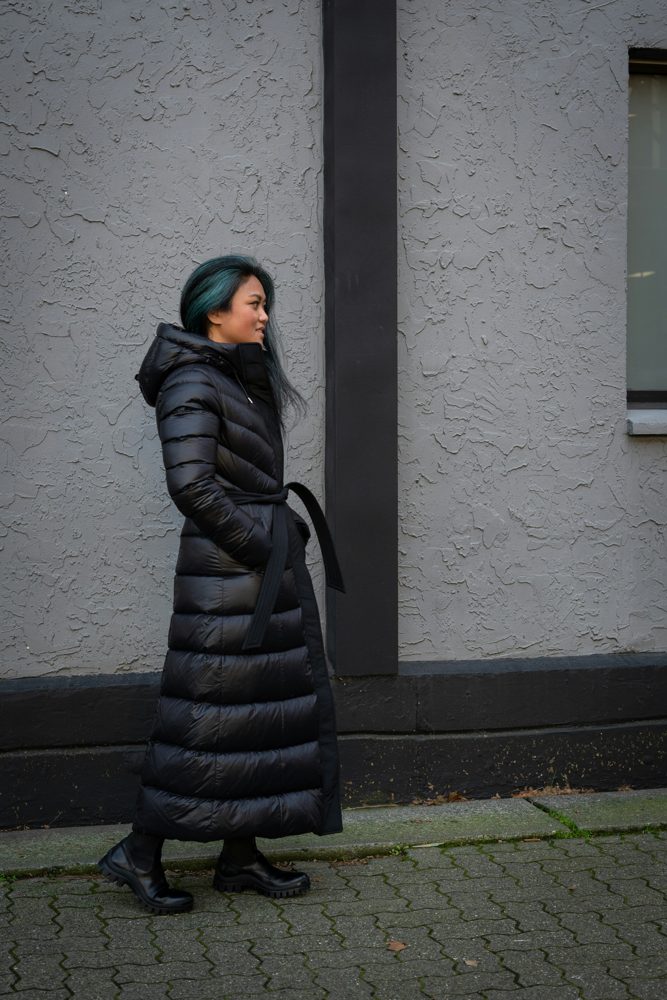
For mild, cool days, a lightweight puffer or vest works as a layer under a coat. For cold winters, look for a thicker puffer, a hood and a longer length. If your area is wet, choose a water-resistant outer fabric.
Length and shape
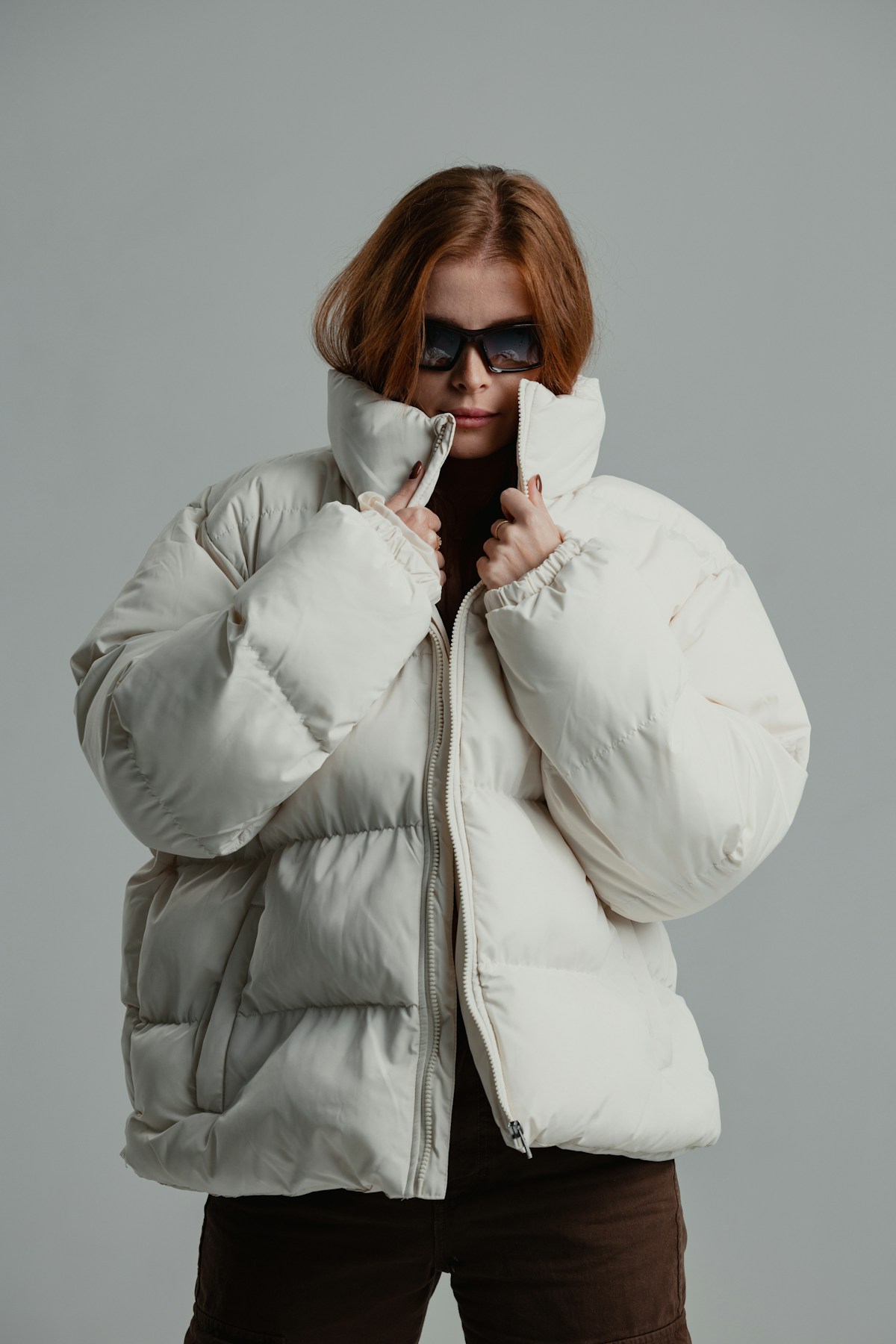
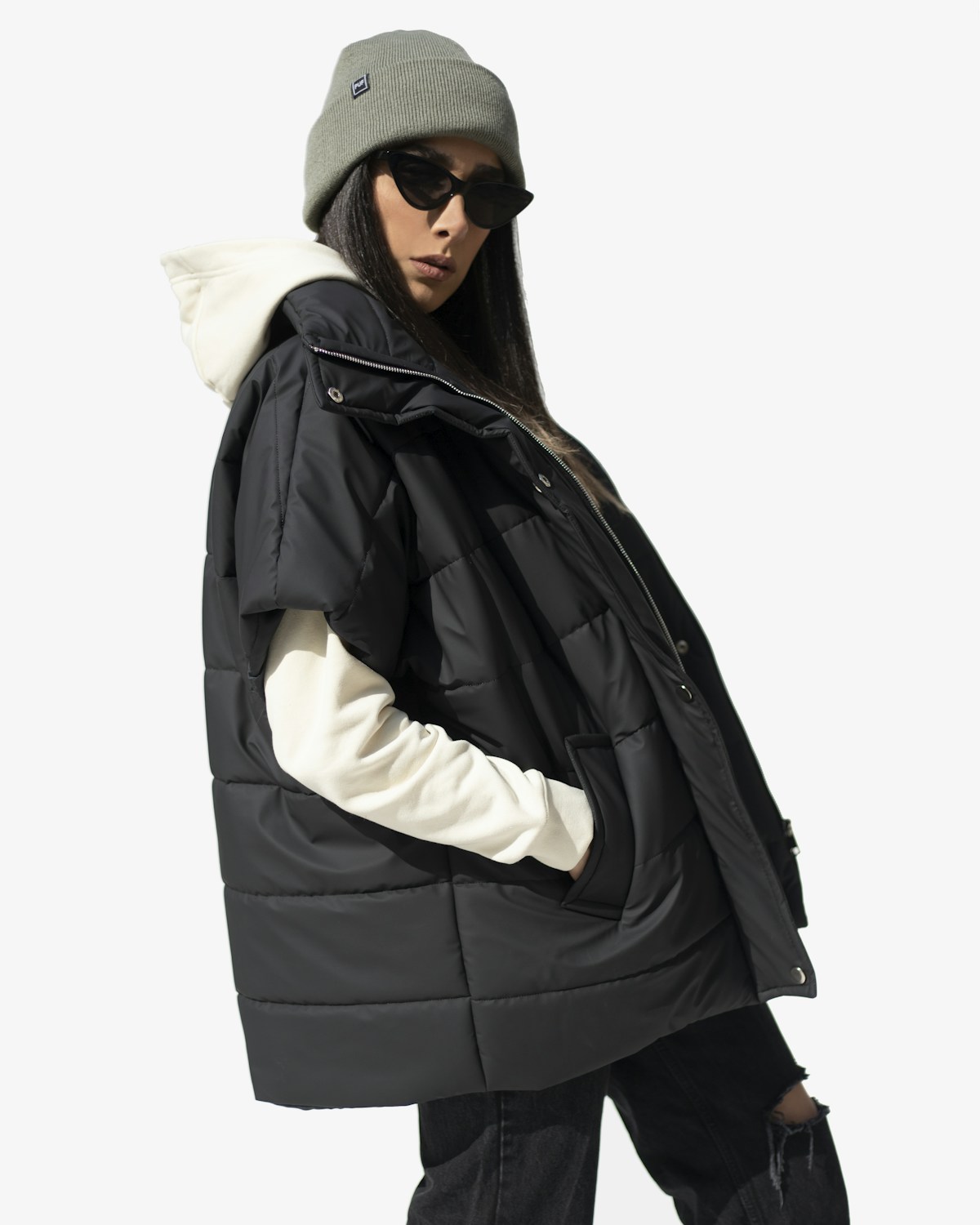
A cropped puffer works with high-waisted trousers and skirts. A hip-length jacket is the most versatile. A longer puffer covers more, which helps in the cold, but can feel bulky for some. A vest keeps your core warm while leaving your arms free, which suits layering over a sweater.
Details worth checking
- A hood, if you want to keep your head warm.
- Cuffs that fit snugly, or are adjustable.
- Pockets that are zipped, for security.
- A two-way zip for easier movement when sitting.
- Whether the filling is stitched in baffles that keep it evenly spread.
Fit and layering
Try to leave enough room to wear a sweater underneath without the jacket pulling across the shoulders. Compare the size chart with your own measurements, and check customer comments about whether the item runs small or large.
Care
Follow the label. Many puffers can be washed in a machine on a gentle cycle and dried on low heat, often with clean tennis balls to help restore the loft, but always check the care instructions for your piece first.